


dixierobeson7
About dixierobeson7
Easy methods to Make Your Refinance Seem like One million Bucks
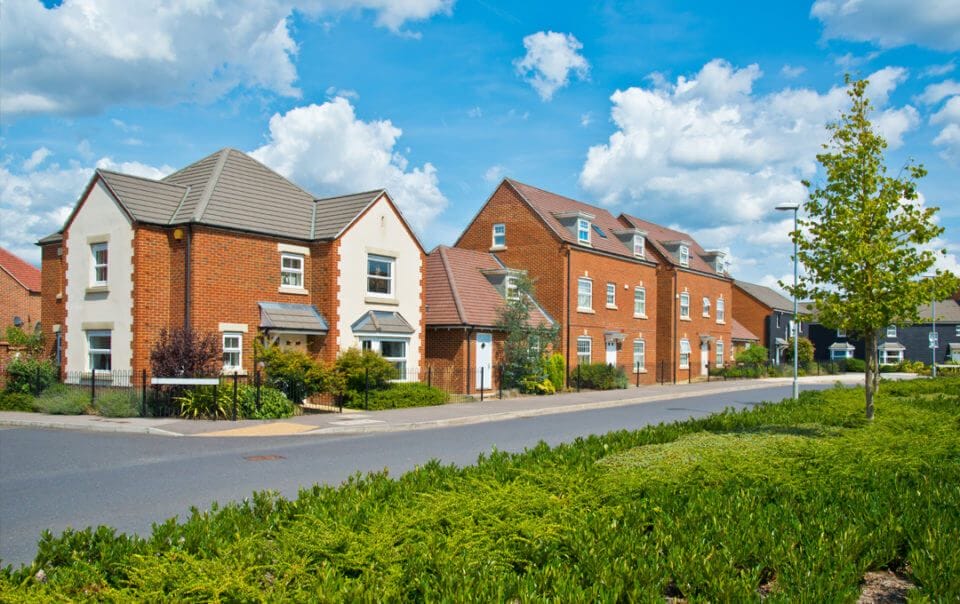 There is a version of the housing market story that gets told over and over, and it goes like this: prices are high, rates are high, nothing is affordable, and the only people buying are the ones with cash. That version is not wrong, exactly. It is just incomplete.
The arithmetic here is brutal and worth understanding clearly. A buyer who financed a $400,000 home at three percent in 2021 pays roughly $1,686 per month on principal and interest. That same loan at a seven percent rate costs $2,661. Those numbers explain why the market froze rather than crashed when rates moved higher. Volume collapsed. Prices mostly did not.
Here is what that creates for someone who has done the work before they start looking: more room to negotiate than the market’s reputation suggests. The panic buyers are gone. The buyers who showed up with emotion instead of analysis have mostly sat back down. What remains is a more functional market, even if it is not a cheap one.

 If the report surfaces significant deferred maintenance or structural issues, you have real choices, and walking away is a legitimate one of them. You can ask the seller to repair specific items before closing. The one thing to avoid is accepting everything uncritically because you are afraid of losing the deal.
 Budget between two and five percent depending on your loan type and the state you are buying in. First-time buyers routinely underestimate this number. Ask your lender for a Loan Estimate before you make any offers, so you can plan your cash position accurately.
 The timing question, whether to buy now or wait for rates to come down, is the one that trips up more buyers than any other single factor. Waiting for the perfect moment is how people end up renting for another five years when they did not mean to. The more useful question is not whether now is the right time in the abstract; it is whether the home works for your actual life for the next five to seven years.
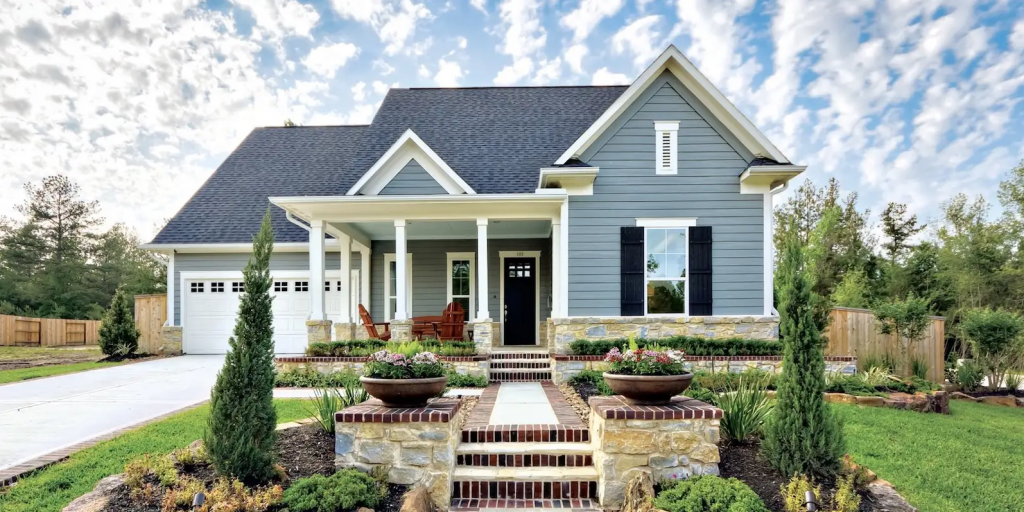 Buyers who take the time to prepare before they start looking tend to find that there are still good properties available at realistic prices. Spending twenty minutes with current homes for sale and market analytics is a better use of your time than waiting for conditions that may never arrive.
No listing found.